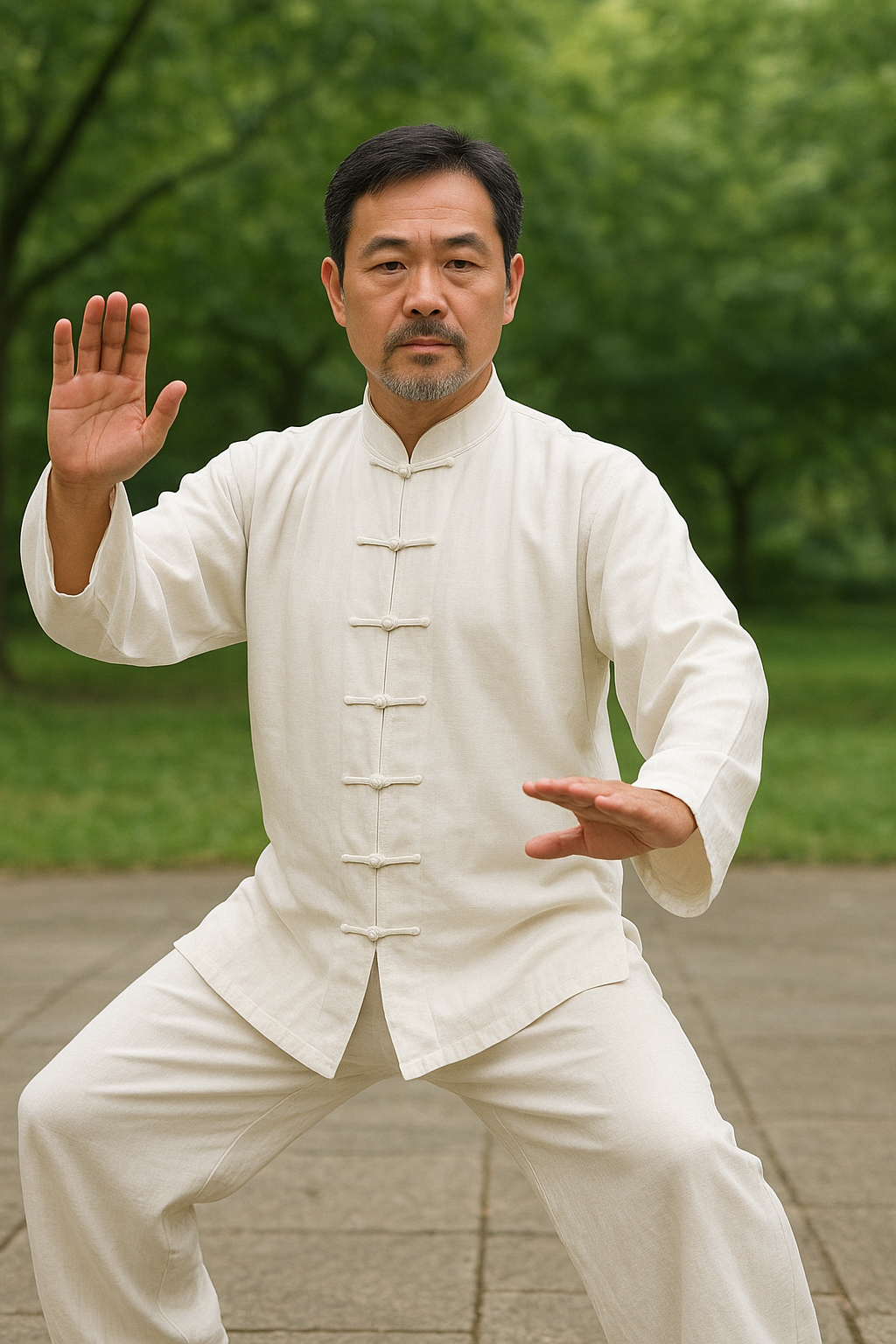
Tai Chi is an ancient Chinese practice that combines slow, deliberate movements with deep breathing, meditation, and mental focus. Often called a “moving meditation,” Tai Chi is widely recognized for its ability to improve physical health, balance, and mental well-being.
Unlike fast-paced exercises or high-impact workouts, Tai Chi emphasizes smooth, flowing motions that promote relaxation, body awareness, and energy flow.
What Is Tai Chi?
Tai Chi, also known as Taijiquan, originated in China as a martial art. Today, it is practiced worldwide for health, meditation, and stress reduction rather than combat.
Tai Chi integrates:
- Slow, continuous movements
- Controlled breathing
- Mindful awareness
- Weight shifting and balance control
Its movements are gentle, low-impact, and accessible to people of all ages and fitness levels.
Benefits of Tai Chi
1. Physical Benefits
- Improves balance, coordination, and flexibility
- Strengthens muscles, especially in the legs and core
- Supports joint health and mobility
- Enhances cardiovascular health
- Reduces risk of falls in older adults
2. Mental Benefits
- Reduces stress, anxiety, and mental fatigue
- Improves focus and concentration
- Promotes calmness and emotional stability
- Encourages mindfulness and self-awareness
3. Overall Wellness
- Improves sleep quality
- Enhances energy and vitality
- Supports immune system function
- Complements other fitness practices like yoga or strength training
Common Tai Chi Styles
1. Yang Style
- Most popular and widely practiced
- Emphasizes slow, flowing movements and large, open postures
2. Chen Style
- Combines slow movements with bursts of power
- Focuses on martial applications
3. Wu Style
- Smaller, compact movements
- Focuses on balance, posture, and internal energy flow
4. Sun Style
- Gentle, agile movements
- Combines Tai Chi with Qigong and martial techniques
Basic Tai Chi Exercises for Beginners
1. Commencement (Qi Shi)
- Start with feet shoulder-width apart, relax the body, breathe deeply
- Focus on centering and grounding
2. Parting the Wild Horse’s Mane
- Shifts weight from one leg to another, arms move in flowing patterns
- Improves balance and coordination
3. Wave Hands Like Clouds
- Side-to-side arm movements with gentle weight shifts
- Enhances shoulder mobility and relaxation
4. Golden Rooster Stands on One Leg
- Balances on one leg, strengthens core and leg muscles
- Improves stability and focus
5. Closing Form
- Slow return to starting stance
- Promotes relaxation and integration of breath and movement
Minute Daily Tai Chi Routine
- Commencement (Qi Shi) – 1 min
- Parting the Wild Horse’s Mane – 2 min
- Wave Hands Like Clouds – 2 min
- Golden Rooster Stands on One Leg – 2 min (1 min each side)
- Closing Form – 3 min
This short routine promotes calmness, improves posture, and strengthens the body.
Why Tai Chi Improves Mental Health
- Activates the parasympathetic nervous system, reducing stress
- Encourages mindful movement, increasing focus and presence
- Combines physical and mental exercise, improving brain function and emotional regulation
Tips for Practicing Tai Chi
- Wear loose, comfortable clothing
- Practice in a calm environment with enough space
- Focus on slow, controlled movements rather than speed
- Coordinate breathing with movement
- Start with 5–10 minutes daily and gradually increase
- Combine with meditation or gentle stretching for deeper benefits
Conclusion
Tai Chi is a gentle, low-impact practice that benefits both the body and mind. It improves balance, flexibility, and strength while reducing stress, enhancing mental clarity, and promoting overall wellness. Suitable for all ages and fitness levels, Tai Chi is a timeless practice that integrates movement, mindfulness, and holistic health into daily life.