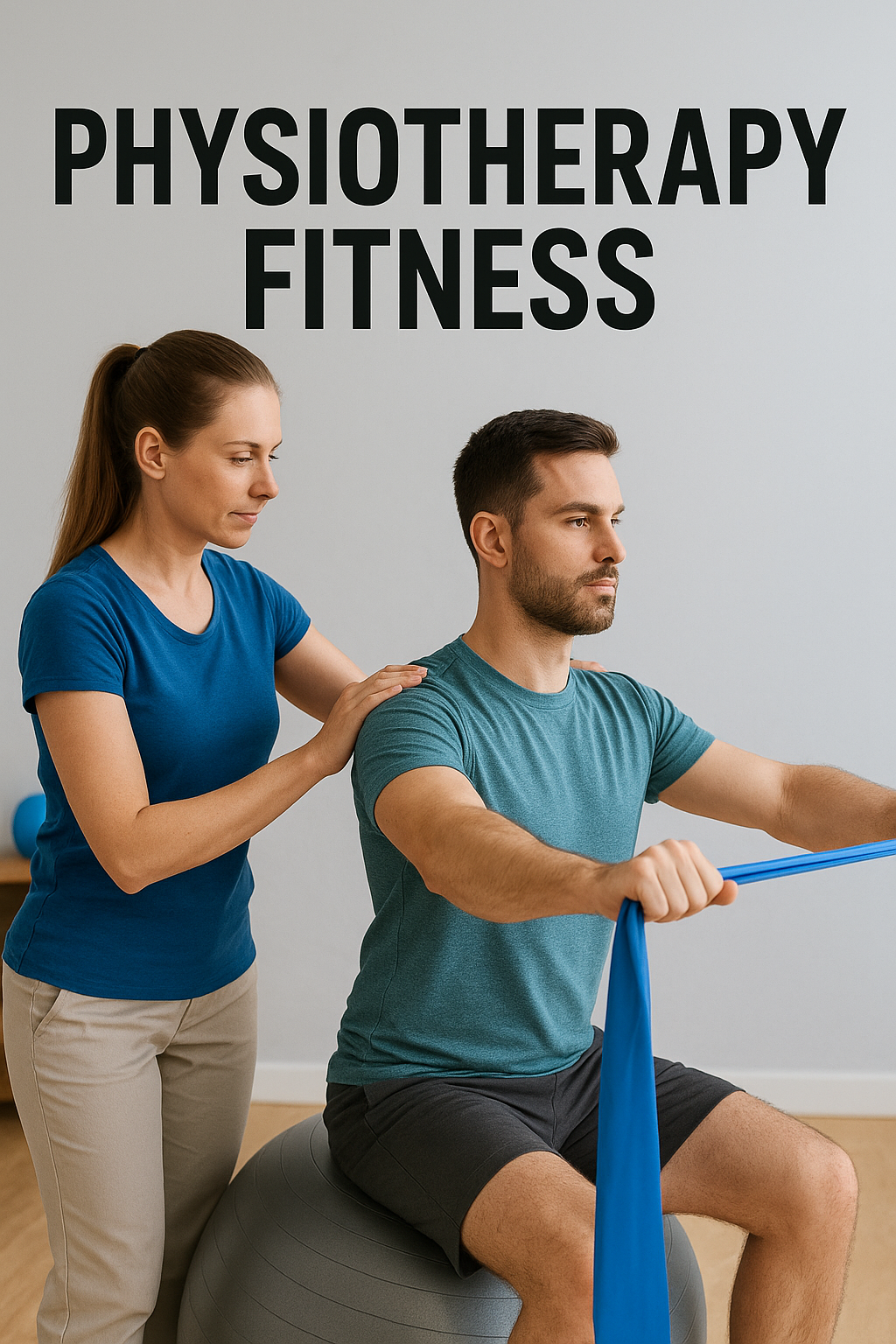
Physiotherapy fitness is a holistic approach that blends physical rehabilitation with functional exercise to restore, maintain, and enhance physical health. Unlike general workouts, physiotherapy fitness focuses on correcting movement patterns, improving mobility, and preventing injuries while also building strength and endurance.
This approach is widely used by athletes, post-injury patients, and anyone looking to improve functional fitness and overall well-being.
What Is Physiotherapy Fitness?
Physiotherapy fitness is a program designed by licensed physiotherapists that combines:
- Rehabilitation exercises for injury recovery
- Strength and conditioning to improve muscular balance
- Mobility and flexibility training for joint health
- Posture correction and movement optimization
- Pain management techniques
The goal is not only to restore normal function but also to prevent future injuries and enhance overall physical performance.
Why Physiotherapy Fitness Matters
- Rehabilitation & Recovery – Speeds up healing after injuries or surgery.
- Improves Mobility & Flexibility – Reduces stiffness and restores functional range of motion.
- Enhances Strength & Endurance – Builds balanced muscle strength to support daily activities.
- Prevents Injuries – Corrects postural imbalances and improper movement patterns.
- Supports Chronic Conditions – Manages issues like back pain, arthritis, and joint problems.
- Boosts Athletic Performance – Optimizes biomechanics and reduces the risk of sports-related injuries.
Key Components of Physiotherapy Fitness
1. Assessment & Evaluation
- Identifying movement limitations, muscle weaknesses, or postural imbalances
- Designing a personalized fitness plan based on individual needs
2. Mobility & Flexibility Training
- Joint mobilizations, dynamic stretches, and range-of-motion exercises
- Focus on shoulders, hips, spine, and ankles for optimal function
3. Strength & Conditioning
- Functional strength exercises targeting core, legs, and upper body
- Resistance training with bands, weights, or bodyweight exercises
4. Posture & Movement Correction
- Exercises to improve alignment and reduce strain on muscles and joints
- Ergonomic advice for work, daily activities, and sports
5. Pain Management & Recovery Techniques
- Use of modalities like heat/cold therapy, manual therapy, and guided exercises
- Focus on reducing inflammation and promoting tissue healing
Sample Physiotherapy Fitness Routine
Warm-Up (5–10 minutes):
- Gentle joint rotations
- Light cardio (walking or cycling)
Mobility & Flexibility (10 minutes):
- Hip openers, shoulder circles, ankle rotations
- Cat-cow stretches for spine mobility
Strength & Conditioning (15–20 minutes):
- Squats or sit-to-stand (functional lower body strength)
- Resistance band rows (upper back strength)
- Planks or bird-dog exercises (core stability)
Posture & Movement Correction (5–10 minutes):
- Wall angels for shoulder mobility
- Chin tucks for neck alignment
Cool Down & Recovery (5 minutes):
- Deep breathing and gentle stretching
- Foam rolling or soft tissue release
Tips for Effective Physiotherapy Fitness
- Always consult a licensed physiotherapist before starting post-injury exercises
- Focus on quality of movement over quantity
- Progress gradually to avoid overloading muscles or joints
- Incorporate exercises into daily routines for long-term benefits
- Combine physiotherapy fitness with proper nutrition, hydration, and sleep
Conclusion
Physiotherapy fitness is a powerful way to rehabilitate injuries, prevent future problems, and enhance overall strength and mobility. By combining targeted exercises with proper movement patterns and recovery techniques, this approach not only restores function but also improves long-term physical health and performance. It is ideal for anyone recovering from injury, managing chronic pain, or looking to optimize functional fitness safely and effectively.