Low-impact exercises are ideal for individuals looking to improve fitness while minimizing stress on the joints. They are particularly beneficial for older adults, patients with arthritis, obesity, or those recovering from injury. These exercises can enhance cardiovascular health, muscle strength, flexibility, and mental well-being.
Benefits of Low-Impact Exercise:
- Reduces risk of joint injuries
- Improves cardiovascular endurance
- Enhances muscle tone and core stability
- Supports weight management
- Promotes mental health through stress reduction
Examples of Low-Impact Routines:
- Walking
- Duration: 20–40 minutes
- Frequency: 3–5 times per week
- Tips: Maintain upright posture, swing arms naturally, wear supportive footwear.
- Cycling (Stationary or Outdoor)
- Duration: 20–45 minutes
- Frequency: 3–5 times per week
- Tips: Adjust seat height to prevent knee strain; maintain moderate resistance.
- Swimming and Water Aerobics
- Duration: 30–60 minutes
- Frequency: 2–4 times per week
- Tips: Water buoyancy reduces joint stress; perfect for full-body workouts.
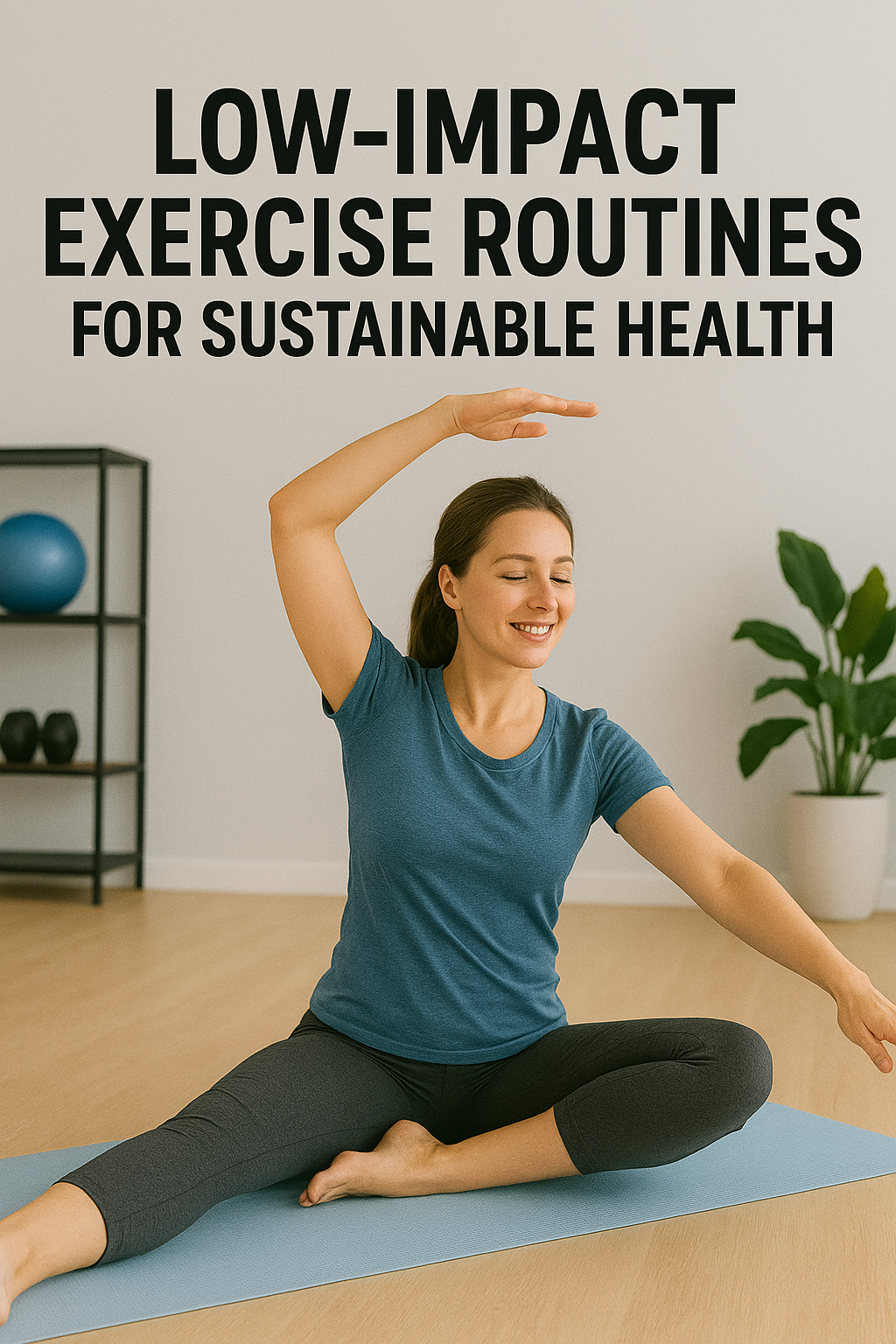
- Yoga
- Duration: 20–60 minutes
- Frequency: 2–5 times per week
- Tips: Focus on breathing and controlled movements; modifications available for beginners.
- Pilates
- Duration: 30–60 minutes
- Frequency: 2–4 times per week
- Tips: Emphasizes core strength and flexibility; low-impact on joints.
- Elliptical Training
- Duration: 20–45 minutes
- Frequency: 3–5 times per week
- Tips: Keep a smooth stride; avoid excessive leaning on handlebars.
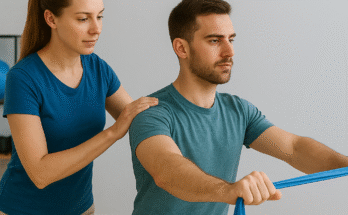
- Resistance Band Exercises
- Duration: 15–30 minutes
- Frequency: 2–4 times per week
- Tips: Target major muscle groups; maintain controlled movements to reduce risk of injury.
Safety Considerations:
- Warm-up for 5–10 minutes before exercise
- Cool down and stretch afterward
- Listen to your body; avoid pain or discomfort
- Consult a healthcare provider before starting a new exercise routine, especially for chronic conditions
Conclusion:
Low-impact exercises offer a safe and effective way to improve overall health, enhance mobility, and reduce the risk of chronic diseases. Incorporating these routines into daily life promotes long-term physical and mental well-being.