Soccer, the world’s most widely played and watched sport, is far more than a competitive game. It is a powerful and effective form of physical activity (PA) that contributes to the holistic development of an individual. Engaging in soccer improves physical fitness, boosts mental health, and enhances social skills. Because the sport involves continuous movement, decision-making, and teamwork, it serves as an ideal activity for people of various age groups who wish to remain active and healthy. This article explores how soccer functions as a valuable form of physical activity and why it plays an important role in promoting overall well-being.
Cardiovascular and Aerobic Benefits
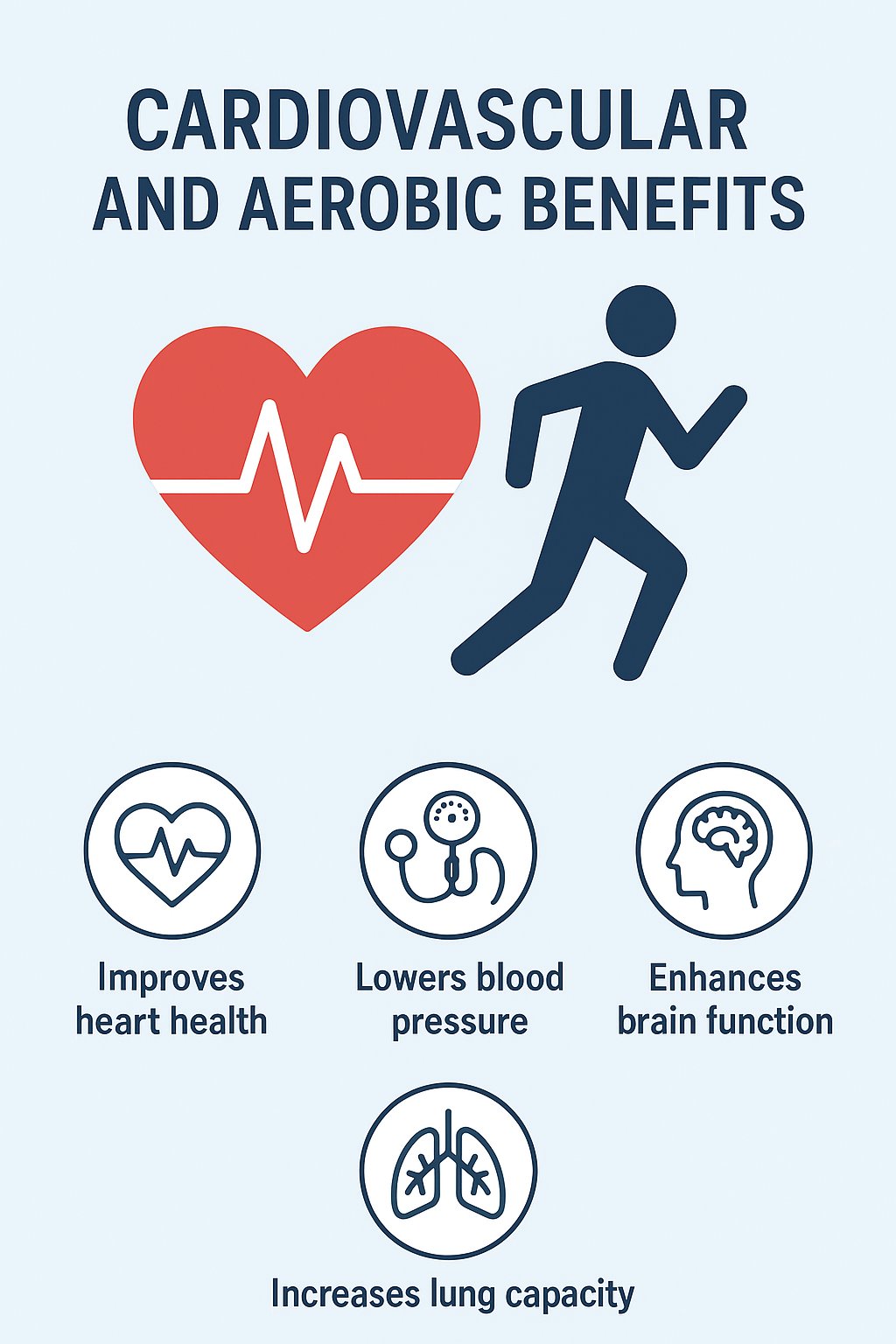
One of the primary advantages of playing soccer is the significant improvement it brings to cardiovascular health. Soccer requires constant running, sprinting, jogging, and quick directional changes. These movements increase the heart rate, improving aerobic endurance and strengthening the cardiovascular system. Regular participation enhances lung capacity, improves oxygen circulation, and boosts overall stamina. Such aerobic exercise helps regulate blood pressure, reduces the risk of heart disease, and supports long-term cardiovascular fitness.
Additionally, soccer effectively burns calories. A typical match involves 45 to 90 minutes of sustained physical activity, which can help control body weight and reduce the risk of obesity. These benefits make soccer an ideal activity for maintaining a healthy lifestyle.
Muscular Strength and Physical Skills Development
Soccer involves a variety of movements—kicking, passing, tackling, dribbling, and sprinting—each of which engages different muscle groups. The sport primarily strengthens the leg muscles, including the quadriceps, hamstrings, and calves, while also activating the hips and lower back. Moreover, core muscles play an essential role in balance and stability when players maneuver the ball.
Through consistent practice, players also develop enhanced speed, agility, balance, and coordination. Defensive and offensive movements require quick reflexes and precise control, helping players develop better motor skills. Soccer, therefore, contributes not only to muscular strength but also to overall athleticism and physical conditioning.
Mental and Emotional Health Benefits
Beyond physical improvements, soccer offers numerous psychological advantages. Being a team sport, it teaches essential life skills such as communication, leadership, teamwork, discipline, and emotional control. Players must think quickly, make fast decisions, and adapt to constantly changing situations during a match, which enhances cognitive functioning and problem-solving abilities.
Physical activity produces endorphins—chemicals that boost mood and reduce stress. As a result, soccer helps decrease anxiety, improve emotional well-being, and build self-confidence. The sense of achievement gained from learning new skills or winning games further strengthens mental resilience and motivation.
Social Interaction and Community Building
Soccer is also valuable for its social benefits. It brings people together, encourages cooperation, and creates a sense of belonging. Whether played casually in a neighborhood or competitively in a club, soccer fosters friendships and strengthens community bonds. It teaches respect, sportsmanship, and cultural understanding, making it more than just a physical activity—it becomes a social experience.
Conclusion
In conclusion, soccer is an exceptional form of physical activity that offers substantial physical, mental, and social benefits. It improves cardiovascular health, increases muscular strength, enhances coordination, and supports emotional well-being. Moreover, its accessibility makes it suitable for people of all ages and backgrounds. By engaging regularly in soccer, individuals can develop a healthier lifestyle, improve their fitness levels, and enjoy meaningful social interactions. Ultimately, soccer remains one of the most effective and enjoyable ways to stay active, build character, and enrich one’s overall quality of life.