Introduction
Cardiovascular fitness, also known as cardiorespiratory endurance or aerobic fitness, refers to the ability of the heart, lungs, and blood vessels to supply oxygen to working muscles during prolonged physical activity. It is one of the most important components of overall physical health and plays a crucial role in preventing chronic diseases and improving quality of life.
Why Cardiovascular Fitness Matters
Cardiovascular fitness impacts multiple systems in the body and contributes to:
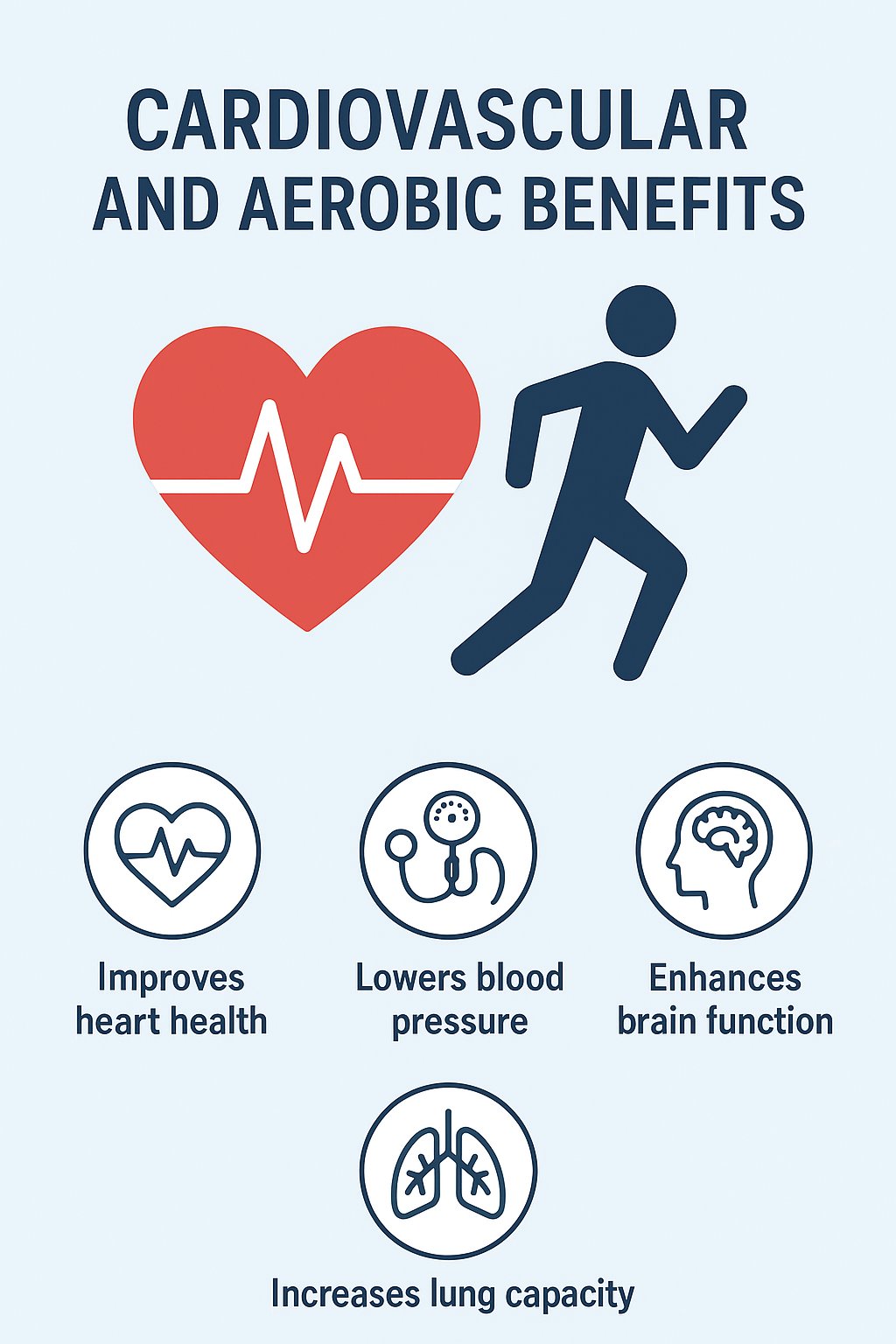
- Heart health: Strengthens the heart muscle, improves circulation, and helps lower blood pressure.
- Lung capacity: Enhances the efficiency of lungs in oxygen exchange.
- Weight management: Burns calories and aids in maintaining or reducing body fat.
- Mental health: Reduces symptoms of anxiety and depression through the release of endorphins.
- Longevity: Associated with a lower risk of heart disease, stroke, type 2 diabetes, and some cancers.
Examples of Cardiovascular Exercises
To improve cardiovascular fitness, activities should elevate the heart rate and be sustained for at least 20–30 minutes. Common examples include:
- Running or jogging
- Brisk walking
- Cycling (indoor or outdoor)
- Swimming
- Dancing (e.g., Zumba, aerobics)
- Rowing
- Jump rope
- High-intensity interval training (HIIT)
How to Improve Cardiovascular Fitness
- Start Slowly: Beginners should ease into a routine with low-impact activities like walking or swimming.
- Be Consistent: Aim for at least 150 minutes of moderate-intensity or 75 minutes of high-intensity aerobic activity each week, as recommended by the WHO.
- Progress Gradually: Increase the intensity, duration, or frequency of workouts over time to avoid plateaus and injury.
- Mix It Up: Variety prevents boredom and ensures balanced muscle use.
- Monitor Your Heart Rate: Use a fitness tracker or manually check your pulse to stay in your target heart rate zone.
Benefits of Good Cardiovascular Fitness
- Improved energy and stamina
- Better sleep quality
- Enhanced immune function
- Improved metabolic function
- Reduced risk of cardiovascular disease
- Lower resting heart rate
Signs of Poor Cardiovascular Fitness
- Shortness of breath during mild activity
- Fatigue after minimal exertion
- Elevated resting heart rate
- Difficulty recovering after exercise
If these signs are persistent, it’s advisable to consult a healthcare professional before beginning a new exercise regimen.
Conclusion
Cardiovascular fitness is a cornerstone of overall health and wellness. Whether you’re an athlete or just beginning your fitness journey, improving your aerobic capacity will benefit your heart, mind, and body. Incorporate regular cardio exercises into your routine to enjoy a longer, healthier life