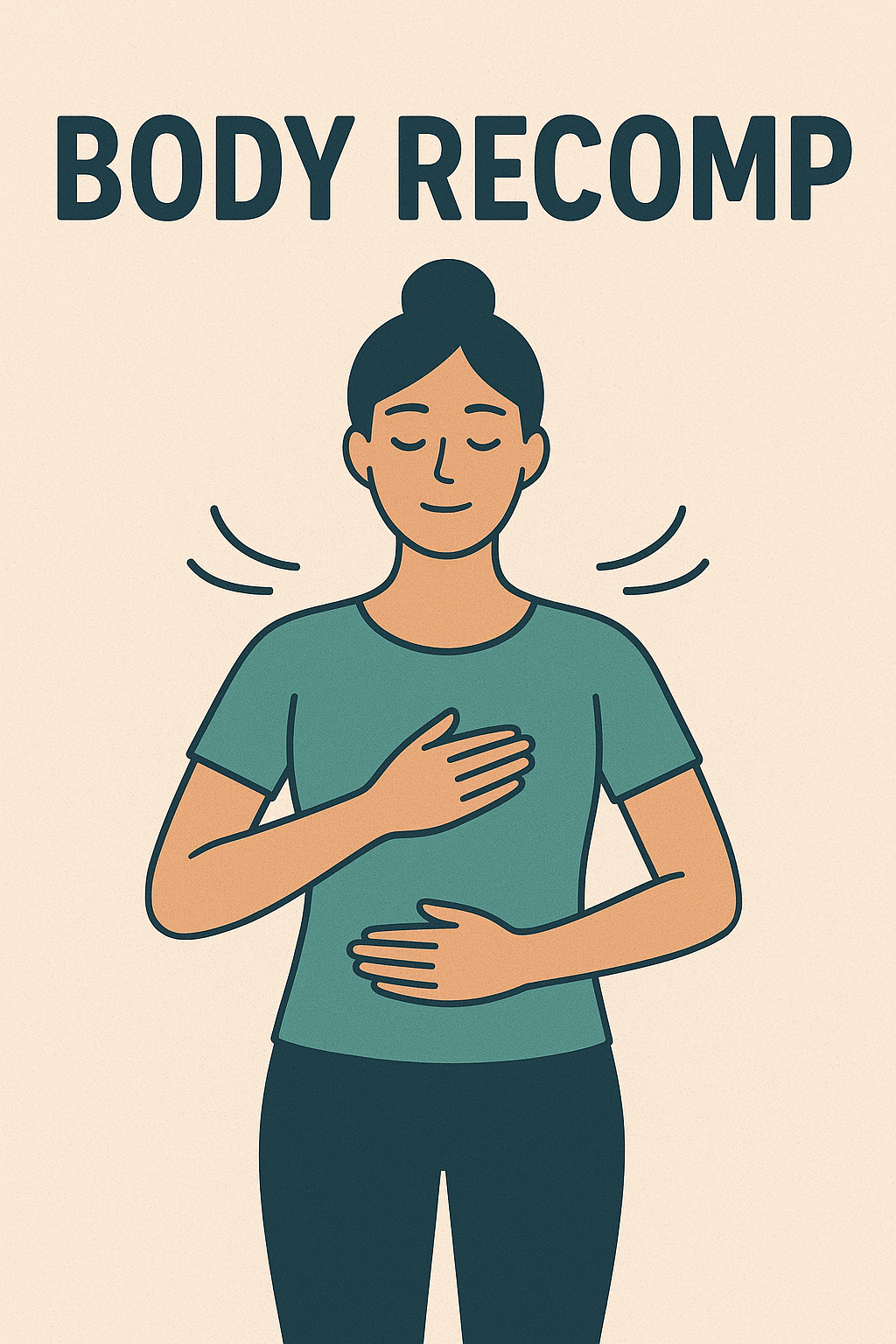
Body recomposition is a fitness approach that focuses on simultaneously losing fat and building muscle. Unlike traditional weight-loss or bodybuilding methods, which emphasize only one goal, body recomposition aims to reshape the body, improve strength, and enhance overall health.
This method has become increasingly popular among fitness enthusiasts, athletes, and anyone looking to improve their physique without necessarily changing the scale drastically.
What Is Body Recomposition?
Body recomposition refers to changing the ratio of lean body mass (muscle) to fat mass.
Key aspects include:
- Reducing body fat
- Increasing or preserving muscle mass
- Improving strength and metabolic health
- Enhancing overall body composition, appearance, and performance
Unlike conventional weight-loss programs, body recomposition may not result in large changes on the scale, but your body will look leaner, firmer, and more toned.
Why Body Recomposition Matters
- Improves metabolism – More muscle increases resting metabolic rate, helping burn more calories.
- Enhances strength and functionality – Muscle improves performance in daily activities and sports.
- Promotes fat loss without drastic dieting – You don’t have to focus solely on calorie restriction.
- Supports long-term health – Reduces risk of obesity-related diseases and supports bone and joint health.
- Boosts confidence – A leaner, more muscular physique enhances self-esteem and body image.
Key Principles of Body Recomposition
1. Strength Training
- Heavy lifting or progressive resistance training preserves and builds muscle.
- Focus on compound movements like squats, deadlifts, bench press, and pull-ups.
2. Nutrition
- Protein intake: 1.6–2.2 g per kg of body weight to support muscle growth
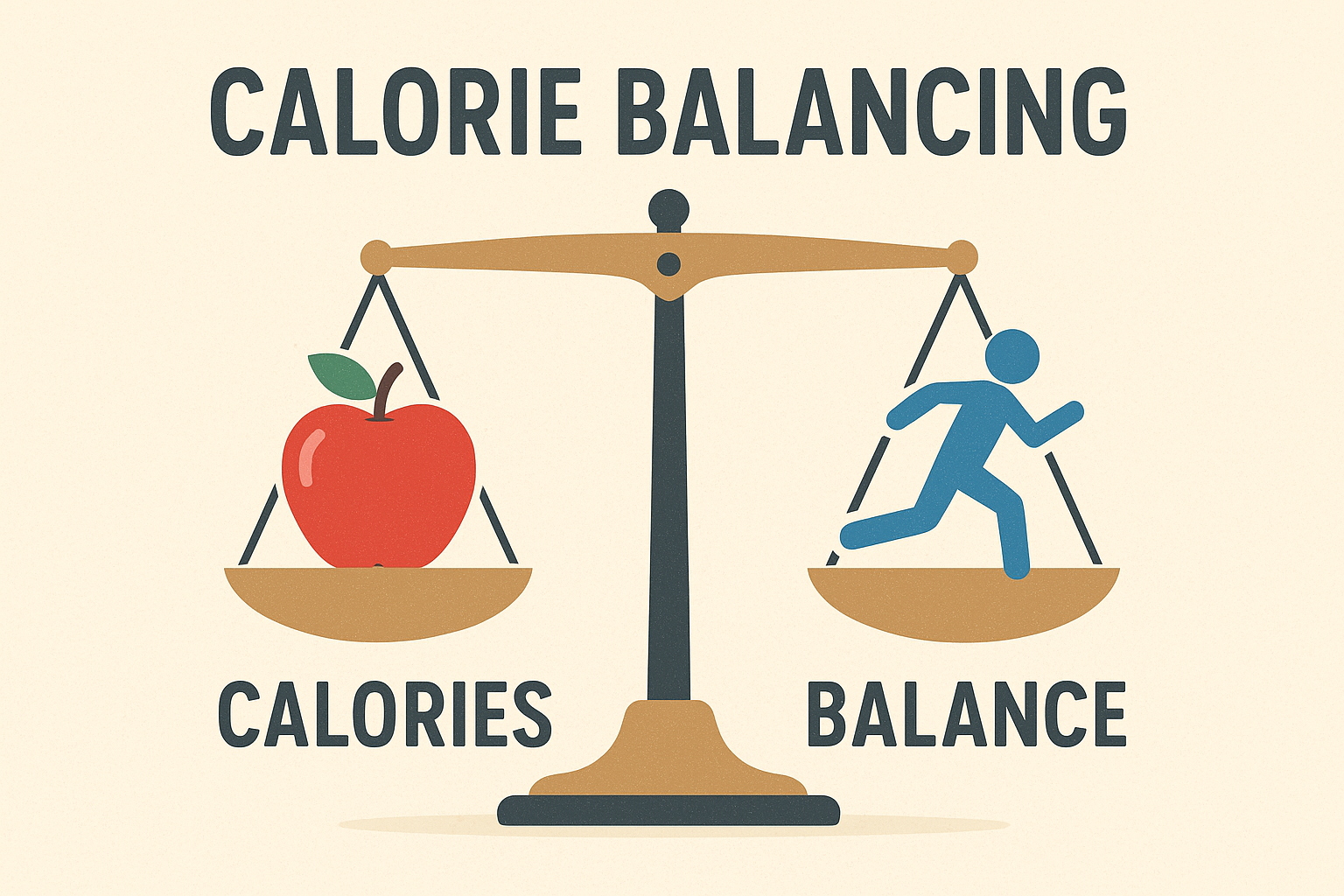
- Calorie balance: Slight caloric deficit for fat loss, or maintenance calories for slower recomposition
- Macronutrient balance: Adequate carbs and healthy fats for energy and hormone regulation
3. Cardio and Conditioning
- Moderate cardio supports fat loss without compromising muscle gains.
- High-intensity interval training (HIIT) is effective for burning fat while maintaining muscle.
4. Recovery and Sleep
- Muscle growth and fat loss require proper rest.
- Aim for 7–9 hours of sleep and include rest days in your training program.
5. Consistency
- Body recomposition is a gradual process; results appear over weeks to months.
- Patience and consistent training and nutrition are key.
Sample Weekly Recomposition Plan
Strength Training (3–4 days/week)
- Squats – 3×8–12
- Bench Press – 3×8–12
- Deadlift – 3×5–8
- Pull-ups – 3×6–10
- Rows – 3×8–12
Cardio (2–3 days/week)
- 20–30 min moderate-intensity cardio or 10–15 min HIIT
Nutrition
- Protein-rich meals every 3–4 hours
- Balanced carbs and healthy fats
- Track calories to ensure slight deficit or maintenance
Recovery
- Stretching or mobility work daily
- Sleep 7–9 hours per night
Tips for Effective Body Recomposition
- Track progress with measurements, photos, or body fat percentage, not just weight.
- Prioritize protein in every meal.
- Focus on progressive overload in strength training.
- Avoid extreme dieting or overtraining—both hinder results.
- Combine resistance training with mobility and functional movement work.
Conclusion
Body recomposition is a realistic and sustainable way to improve your physique, health, and strength. By focusing on muscle gain and fat loss simultaneously, you can achieve a leaner, stronger, and healthier body without relying solely on weight loss. With proper training, nutrition, recovery, and patience, body recomposition is a transformative approach for anyone looking to optimize their fitness and overall well-being.