Cardio, short for cardiovascular exercise, is any activity that elevates your heart rate and improves the efficiency of your heart, lungs, and circulatory system. It is one of the most important components of fitness, supporting not only physical health but also mental well-being.
From running and cycling to swimming and dancing, cardio exercises are versatile and accessible to people of all fitness levels.
What Is Cardio?
Cardio refers to exercises that:
- Increase your heart rate and breathing
- Improve oxygen delivery to muscles and organs
- Enhance endurance, stamina, and overall cardiovascular health
Examples of cardio exercises include:
- Running, jogging, or brisk walking
- Cycling or spinning
- Swimming
- Rowing
- Jump rope
- Dancing or aerobics
- High-intensity interval training (HIIT)
Benefits of Cardio
1. Physical Benefits
- Strengthens the heart and lungs
- Improves circulation and oxygen delivery
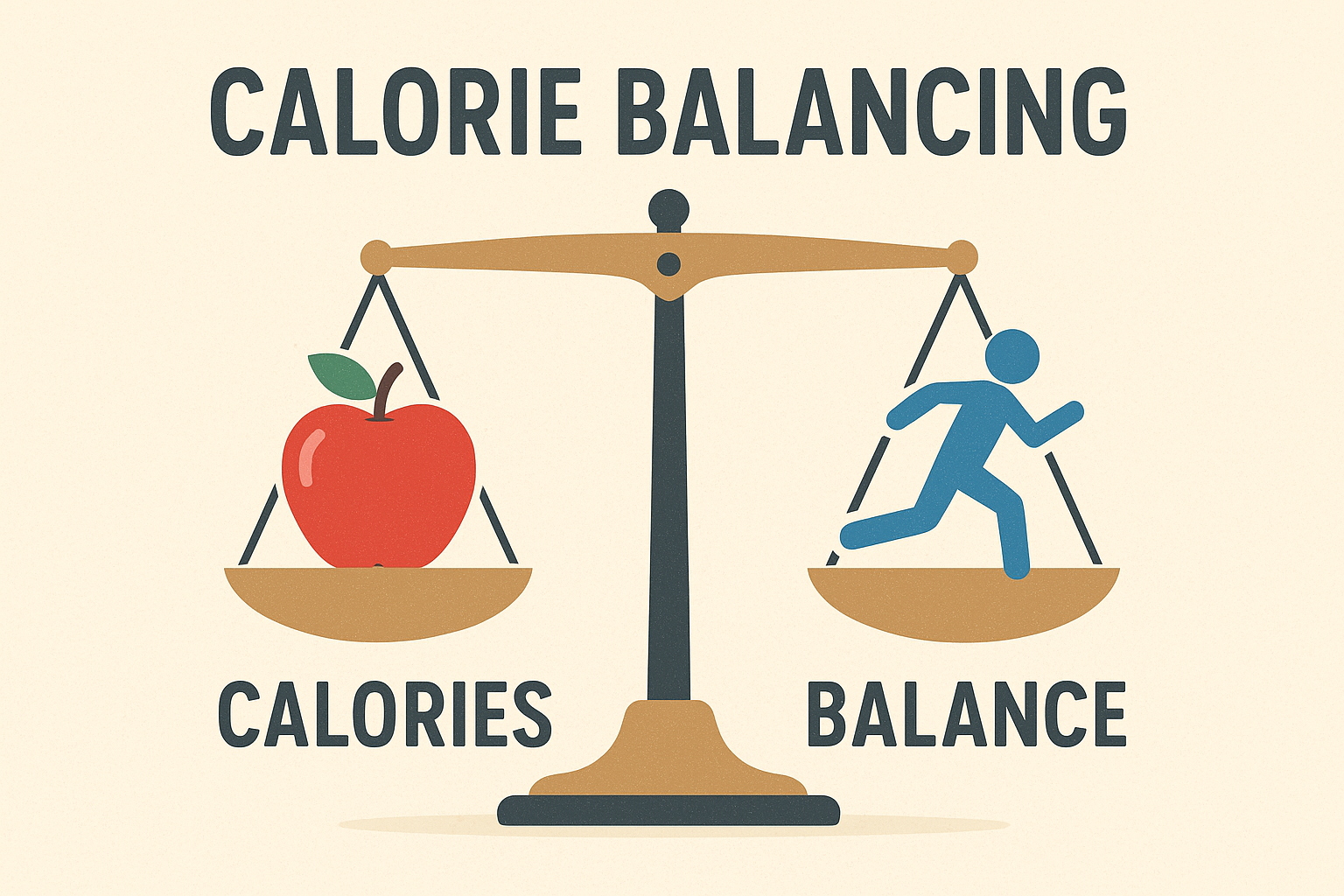
- Helps control weight and body fat
- Increases metabolism and energy levels
- Reduces risk of chronic diseases like heart disease, diabetes, and stroke
2. Mental Benefits
- Reduces stress, anxiety, and depression
- Boosts mood and mental clarity
- Enhances sleep quality
- Increases focus and cognitive function
3. Overall Wellness
- Supports immune function
- Improves endurance and stamina
- Promotes better posture and mobility
- Increases longevity and quality of life
Types of Cardio Training
1. Steady-State Cardio
- Moderate intensity for a sustained period (20–60 minutes)
- Examples: jogging, cycling, swimming
- Benefits: builds endurance and burns fat
2. High-Intensity Interval Training (HIIT)
- Short bursts of maximum effort followed by rest or low-intensity activity
- Examples: sprint intervals, circuit training
- Benefits: burns calories quickly, improves metabolism, builds stamina
3. Low-Impact Cardio
- Gentle on joints while still increasing heart rate
- Examples: walking, swimming, elliptical machine
- Benefits: suitable for beginners or people with joint issues
4. Functional Cardio
- Combines cardio with functional movements for strength and endurance
- Examples: kettlebell swings, rowing, battle ropes
- Benefits: improves athletic performance and daily function
Sample Weekly Cardio Plan
Day 1: Steady-state jogging – 30 minutes
Day 2: Rest or light walk – 20 minutes
Day 3: HIIT sprint intervals – 20 minutes
Day 4: Cycling – 30–40 minutes
Day 5: Low-impact cardio or swimming – 30 minutes
Day 6: Functional cardio circuit – 20–25 minutes
Day 7: Rest or active recovery (stretching, yoga)
Tips for Effective Cardio Training
- Warm up for 5–10 minutes before starting
- Maintain proper form to prevent injuries
- Mix different types of cardio for variety and overall fitness
- Monitor heart rate for optimal intensity
- Pair cardio with strength training and proper nutrition for best results
- Stay hydrated and wear appropriate footwear
Conclusion
Cardio is a cornerstone of fitness that improves heart and lung health, burns calories, enhances mental well-being, and increases endurance. Whether your goal is weight loss, athletic performance, or overall health, incorporating cardio exercises into your weekly routine is essential for a long, active, and healthy life.