In today’s fast-paced world, physical fitness alone is no longer enough. Stress, anxiety, poor sleep, and emotional fatigue affect millions of people. This has increased interest in mind–body fitness, an approach that connects physical movement with mental awareness, emotional balance, and inner calm.
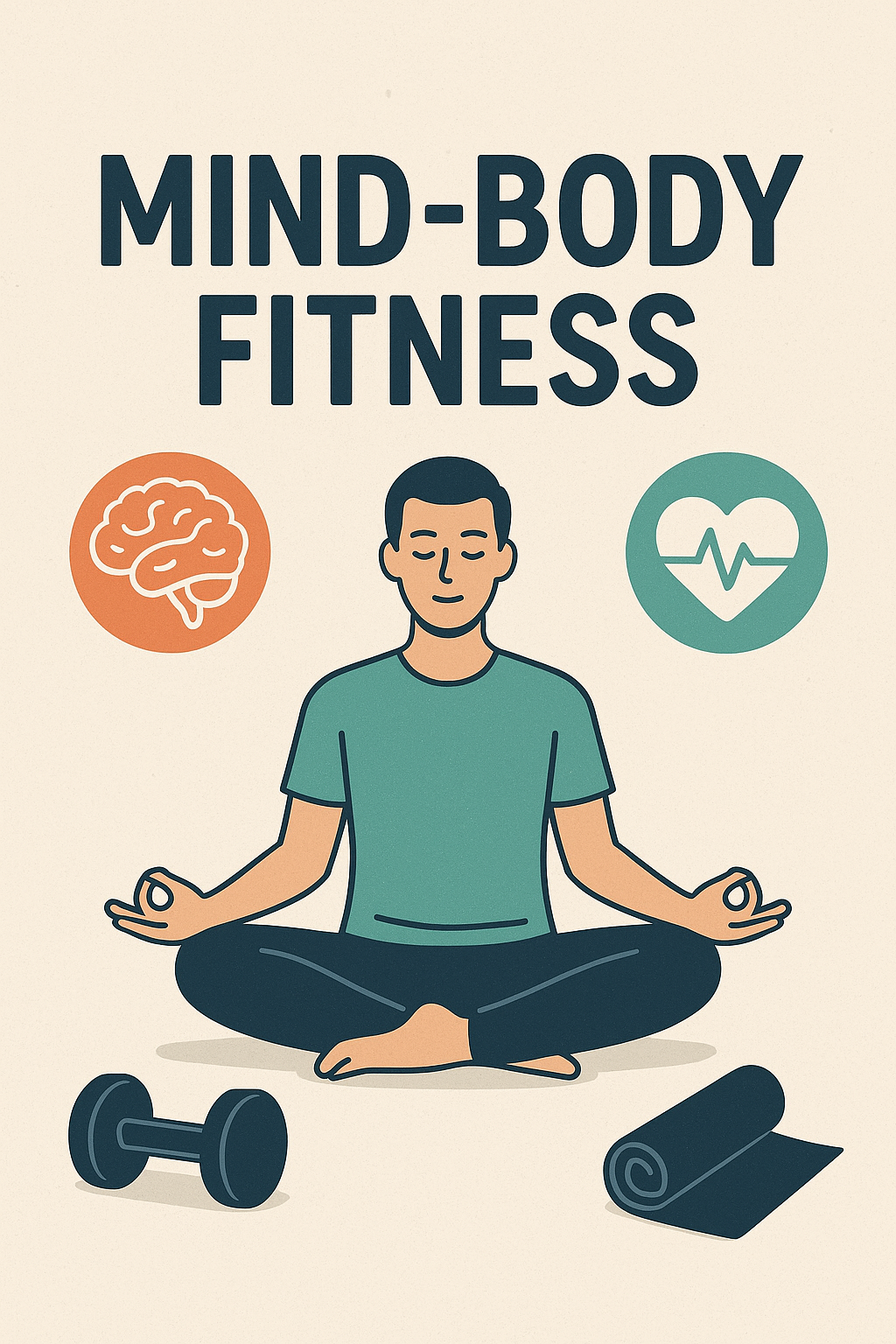
Mind–body fitness helps you build not only a stronger physique but also a more centered, resilient, and peaceful mind.
What Is Mind–Body Fitness?
Mind–body fitness refers to physical activities that integrate:
- Movement
- Breathing
- Awareness
- Mindfulness or emotional regulation
The goal is to create harmony between the body and the mind for improved overall well-being.
It focuses on:
- Controlled movements
- Proper breathing
- Focused attention
- Stress reduction
- Balanced emotions
Practices like yoga, Pilates, tai chi, qigong, and mindful strength training are all part of mind–body fitness.
Why Mind–Body Fitness Is Important
- Reduces stress and anxiety
Breathing techniques and mindful movements calm the nervous system. - Improves focus and mental clarity
Helps you stay present and sharp throughout the day. - Enhances physical strength and flexibility
Low-impact exercises improve mobility, posture, and core strength. - Boosts emotional well-being
Helps regulate emotions and improves overall mood. - Improves sleep quality
Relaxation and controlled breathing promote deeper rest. - Supports longevity and healthy aging
Gentle movement keeps joints, muscles, and the mind active.
Popular Mind–Body Fitness Methods
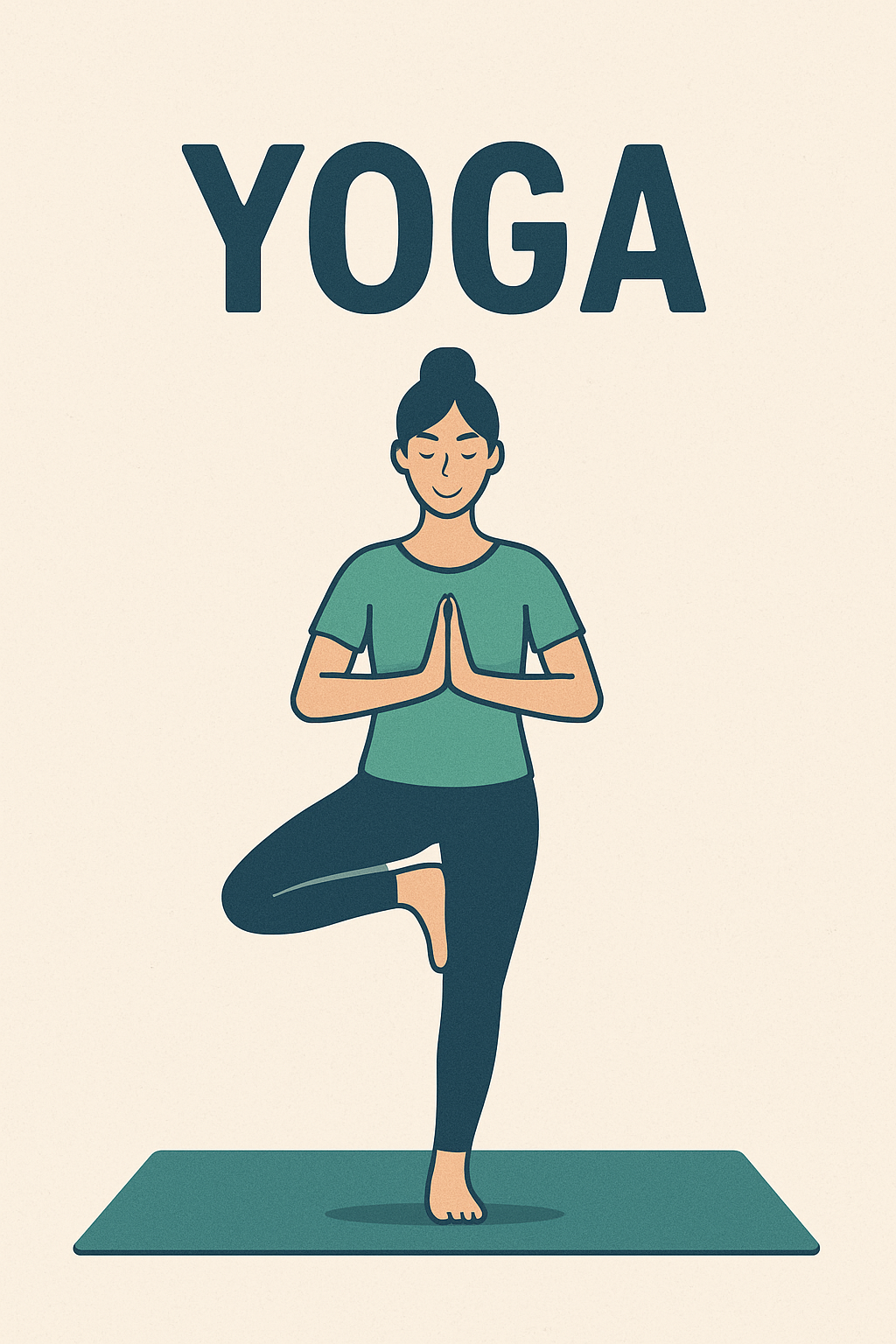
1. Yoga
Combines breath control, stretching, balance, and mindfulness.
Benefits: flexibility, stress relief, better posture, mental calmness.
2. Pilates
Focuses on core strength, controlled movement, and breath coordination.
Benefits: posture correction, injury prevention, stability.
3. Tai Chi
A slow, flowing martial art that emphasizes breath and balance.
Benefits: stress reduction, joint health, better balance.
4. Qigong
Energy-based movements that improve breathing, flow, and awareness.
Benefits: relaxation, improved immune function, vitality.
5. Mindful Strength Training
Lifting or bodyweight training done with full awareness of breath and form.
Benefits: strength + mindfulness combined.
6. Breathwork
Techniques that regulate your nervous system through controlled breathing.
Benefits: emotional release, relaxation, deeper mind–body connection.
Minute Mind–Body Fitness Routine (Daily)
You can practice this anywhere:
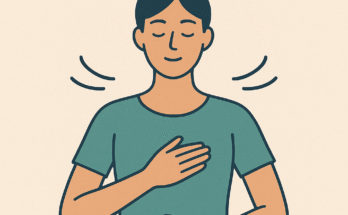
- Deep Breathing (2 minutes)
Inhale slowly for 4 seconds → exhale for 6 seconds. - Cat–Cow Movements (1 minute)
Connect movement with breath. - Standing Flow (2 minutes)
Slow squats + arm circles with mindful breathing. - Hip Opener Stretch (1 minute)
Focus on slow exhalation to release tension. - Spinal Twist (1 minute)
Relax and breathe deeply. - Mindful Body Scan (3 minutes)
Notice sensations from head to toe.
This routine reduces stress, enhances mobility, and builds mental clarity.
How Mind–Body Fitness Improves Mental Health
- Activates the parasympathetic nervous system
- Lowers cortisol (stress hormone)
- Increases serotonin and dopamine
- Improves emotional regulation
- Builds resilience to daily stress
- Supports a calmer, more centered mindset
Tips to Build a Strong Mind–Body Routine
- Move slowly and with intention
- Synchronize breathing with movement
- Exercise in a calm environment
- Be patient—mindful fitness grows gradually
- Limit distractions (phones, noise)
- Focus on how your body feels, not just how it looks
Conclusion
Mind–body fitness is a powerful and holistic approach to health. It strengthens your body while calming your mind, reduces stress, improves focus, and enhances emotional well-being. Whether you practice yoga, tai chi, Pilates, or mindful strength training, consistent daily movement can transform your physical and mental health.