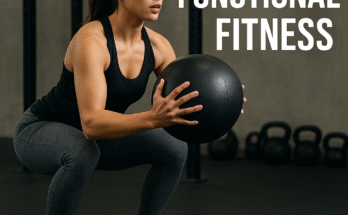
Whether you are trying to build strength, lose fat, improve mobility, or simply stay fit, squats are one of the most effective movements you can do. They train multiple muscles at once and mimic natural everyday activities like sitting, standing, or lifting.
What Are Squats?
A squat is a compound exercise where you bend your knees and hips to lower your body, then stand back up. It looks simple, but the movement uses your entire lower body—and even your core.
Squats can be done anywhere, with or without weights, making them one of the most accessible exercises.
Muscles Targeted by Squats
Squats work multiple major muscles:
Quadriceps (front thighs)
Hamstrings (back thighs)
Glutes (hips and buttocks)
Calves
- Core muscles for balance and stability
- Even your lower back plays a role
This is why squats are considered a full-body powerhouse movement.
Benefits of Doing Squats
- Builds Strength and Muscle
Squats strengthen your lower body and help you develop lean, powerful muscles.
- Improves Mobility and Flexibility
They open up your hips, improve ankle mobility, and increase your overall range of motion.
- Burns More Calories
Because squats use large muscles, they burn more calories compared to many other exercises.
- Enhances Core Strength
A strong core improves posture and reduces back pain.
- Makes Daily Activities Easier
Standing up, climbing stairs, lifting objects—everything becomes smoother and safer.
How to Do a Basic Bodyweight Squat (Step-by-Step)
- Stand with feet shoulder-width apart.
- Keep your chest up and back straight.
- Push your hips back as if sitting in a chair.
- Lower your body until thighs are parallel to the floor.
- Keep your knees aligned with your toes.
- Push through your heels to stand back up.
- Repeat for 10–15 reps.
Common Mistakes to Avoid
- Knees collapsing inward
- Rounding your back
- Leaning too far forward
- Lifting your heels off the ground
- Not going low enough (quarter squats)
Popular Squat Variations
- Goblet Squat**
Hold a dumbbell or kettlebell at chest level for added resistance.
- Back Squat
A barbell placed on your upper back; great for building strength.
- Front Squat
Barbell rests on the front shoulders; targets quads more.
- Jump Squat
Adds explosive power and boosts athletic performance.
- Pistol Squat
A challenging single-leg squat that builds balance and strength.
How Many Squats Should You Do?
- Beginners: 2–3 sets of 10–15 reps
- Intermediate: 3–4 sets of 15–20 reps
- Advanced: Add weights or variations for greater challenge
Conclusion
Squats are one of the best exercises for building strength, improving mobility, and enhancing overall fitness. Whether you are a beginner or an athlete, squats will always remain a fundamental part of your training routine. They are simple, effective, and help you become stronger in everyday life.