Fitness today is not just about lifting heavy weights or running long hours on the treadmill. A new and more practical approach is becoming popular—Functional Fitness. This type of training prepares your body for real-life movements and daily activities.
What is Functional Fitness?
Functional fitness includes exercises that train your body to perform natural, everyday movements such as sitting, standing, bending, lifting, pushing, pulling, or walking.
In simple words, this kind of training helps you become fit for the real world—not just for the gym.
Why is Functional Fitness Important?**
- Strength for daily tasks
Carrying groceries, climbing stairs, lifting your child—everything becomes easier. - Reduces the risk of injuries
It improves balance, stability, posture and body control, which lowers the chance of getting injured.
- More results in less time
Functional workouts train multiple muscles together, so you get better results in a shorter time.
- Suitable for all ages
This form of training is safe and can be modified for kids, adults, and even seniors.
Popular Functional Fitness Exercises
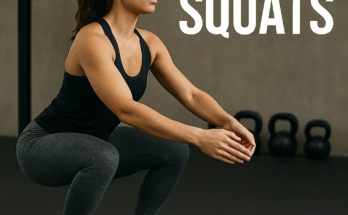
- Squats – Improve lower body strength
- Lunges – Enhance balance and leg power
- Push-Ups – Strengthen upper body
- Planks – Build core stability
- Deadlifts (light weight) – Strengthen back and legs
- Kettlebell Swings – Full-body conditioning
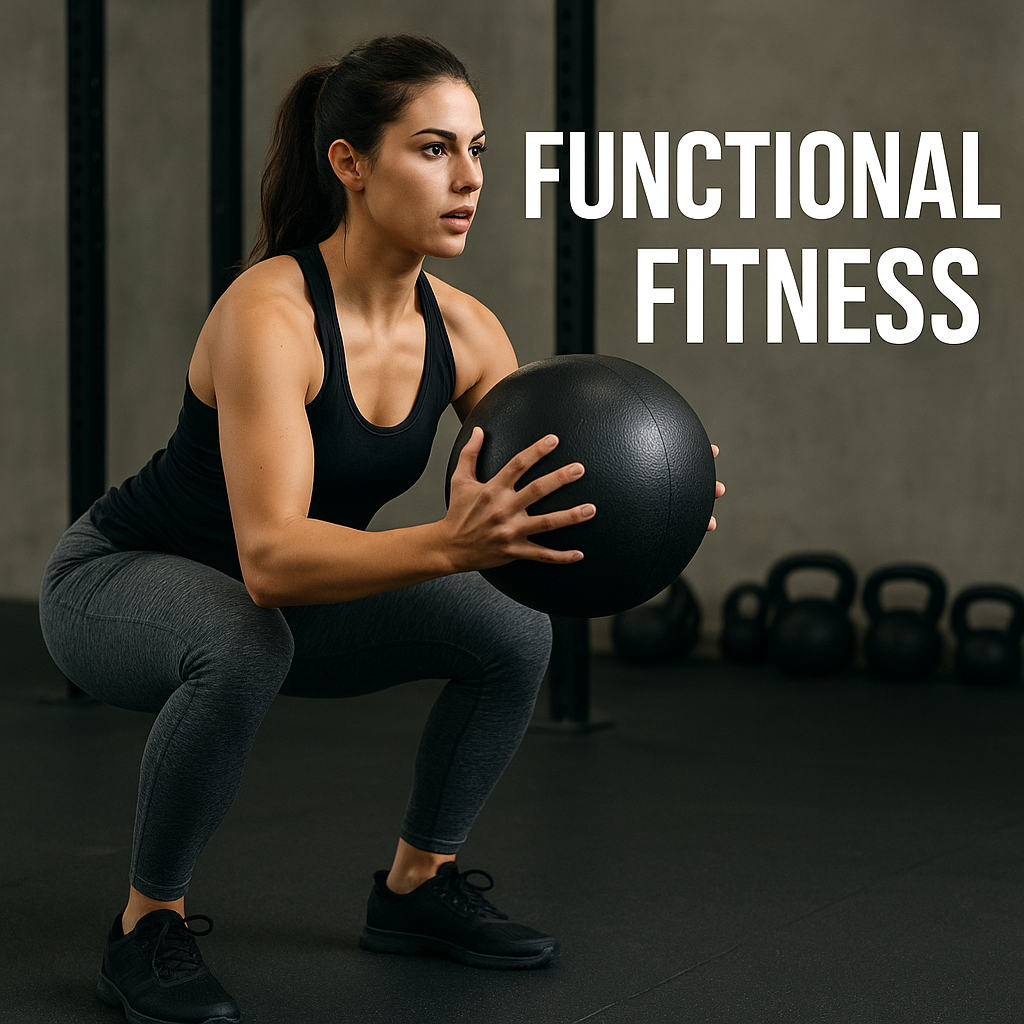
- Medicine Ball Throws – Increase explosive power
How to Start Functional Fitness**
- Begin with basic, low-impact exercises
- Always focus on correct form
- Train 20–30 minutes, 3–4 times a week
- If you’re a beginner, start under the guidance of a trainer
Conclusion
Functional fitness is more than just a workout—it is a way to improve your quality of life. It makes you stronger, more balanced, and more active so you can handle everyday tasks without stress or fatigue.
If you’re thinking about starting a fitness journey or improving your current routine, functional fitness is an excellent and practical choice.